Shadow Puppets in Prison
I facilitated shadow puppetry workshops in the Bilbio Red library of Bogota’s District Jail (Colombia) from May 2023 to May 2024, with the aim of creating collaborative pieces based on legends, myths, and fairytales from Colombia, with incarcerated individuals (who worked in the library) as the directors, playwrights, designers and performers. The second semester of this project involved a collaboration with Arts student from Los Andes University, as part of the class “Taller de Títeres y Muñecos” (Puppet and Mask Workshop) that I taught. Below are two reflections on the transformative experience of participating in our shadow puppetry workshop in the District Jail, written by Los Andes students (translated from Spanish), along with documentation of the shadow puppet shows they presented with incarcerated participants at the end of the semester (May 2024).
This project would not have been possible without the support of Professor Lucas Ospina and his emblematic work on arts in prison with La 40.
Our first piece: The Magic Patio (Oct 2023)
Reflection by Tatiana Silva and Paula “Colores” Robles, Arts students from Universidad de Los Andes
Throughout the making of the shadow puppets with the inmates, my partner and I developed a great connection and trust with them. It was amazing how each of the inmates got involved, supporting and contributing to the composition of the myth, the creation of the puppets and the performance. This level of collaboration and engagement was truly rewarding.

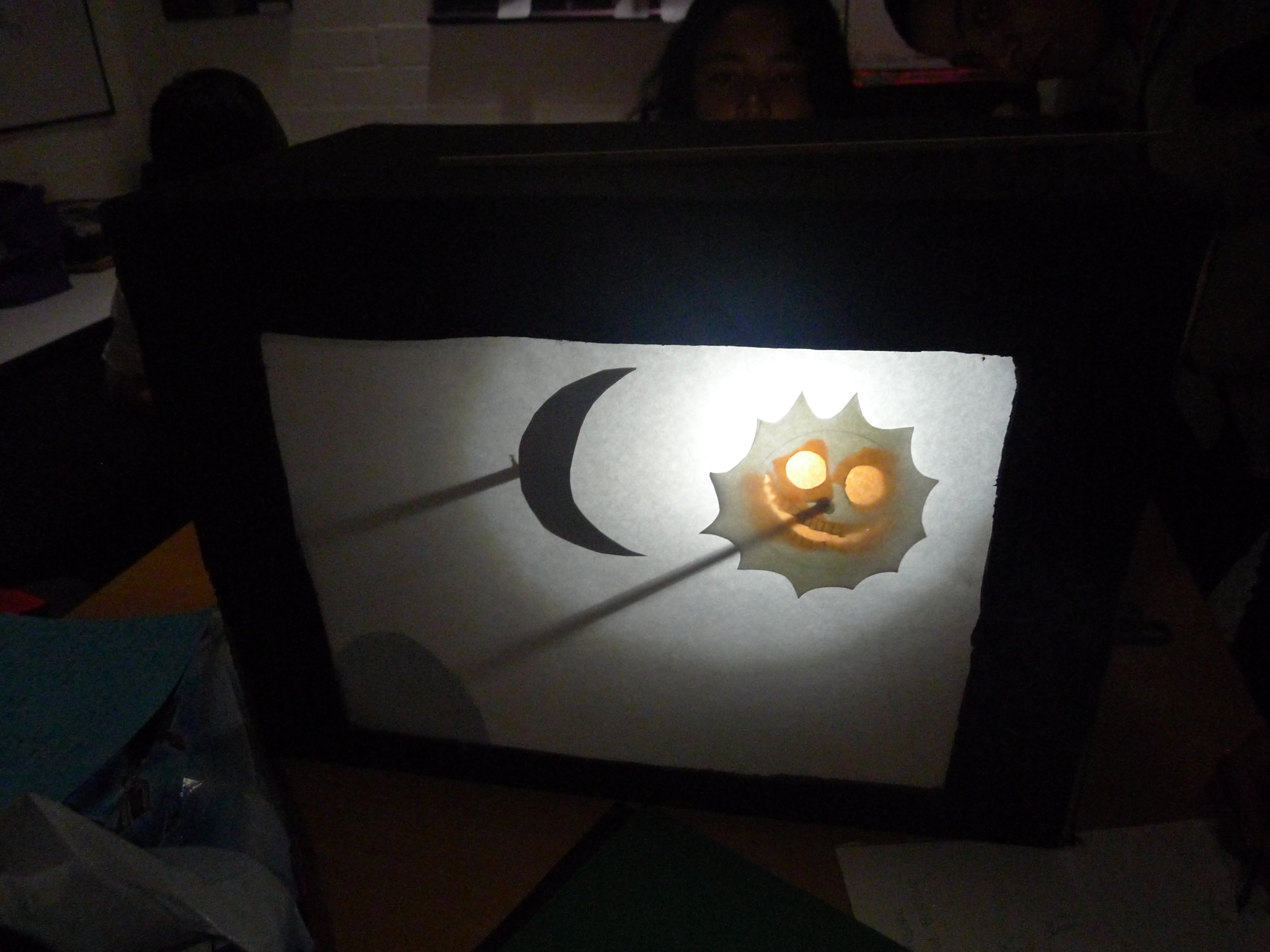

Each prisoner brought his or her unique skills to the project. Some excelled in creating the puppets, while others helped shape the story and perfect the acting. The dedication and enthusiasm they showed was inspiring. It was an enriching process, not only because we were able to create a meaningful play, but also because it allowed us to get to know the inmates in a deeper way and learn from their experiences and perspectives.
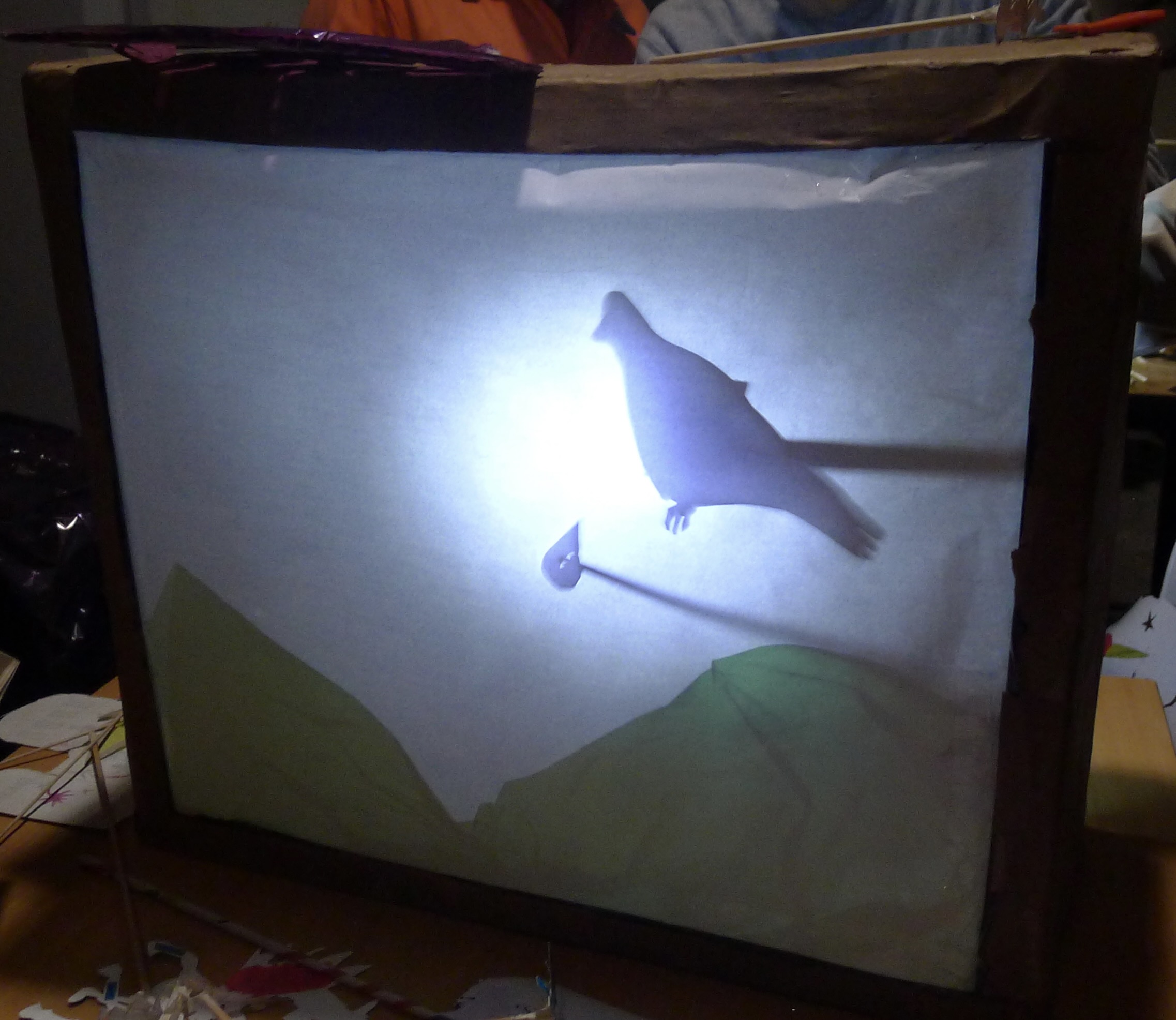


The exchange of ideas and daily collaboration strengthened our relationship with them, creating an environment of trust and mutual respect. This experience not only demonstrated the power of art to bring people together, but also taught us valuable lessons about resilience, creativity and the value of teamwork.


This experience underscored the ability of art to transcend barriers and provide a space for understanding and human connection. It allowed us to get to know the inmates in a deeper way, learn from their experiences and, at the same time, contribute to a meaningful project. Ultimately, the process of creating the shadow puppets was a powerful demonstration of the transformative potential of collaboration and mutual understanding.
The Legend of The Enchanted Forest (collective creation)
The Legend of Juan Sábalo
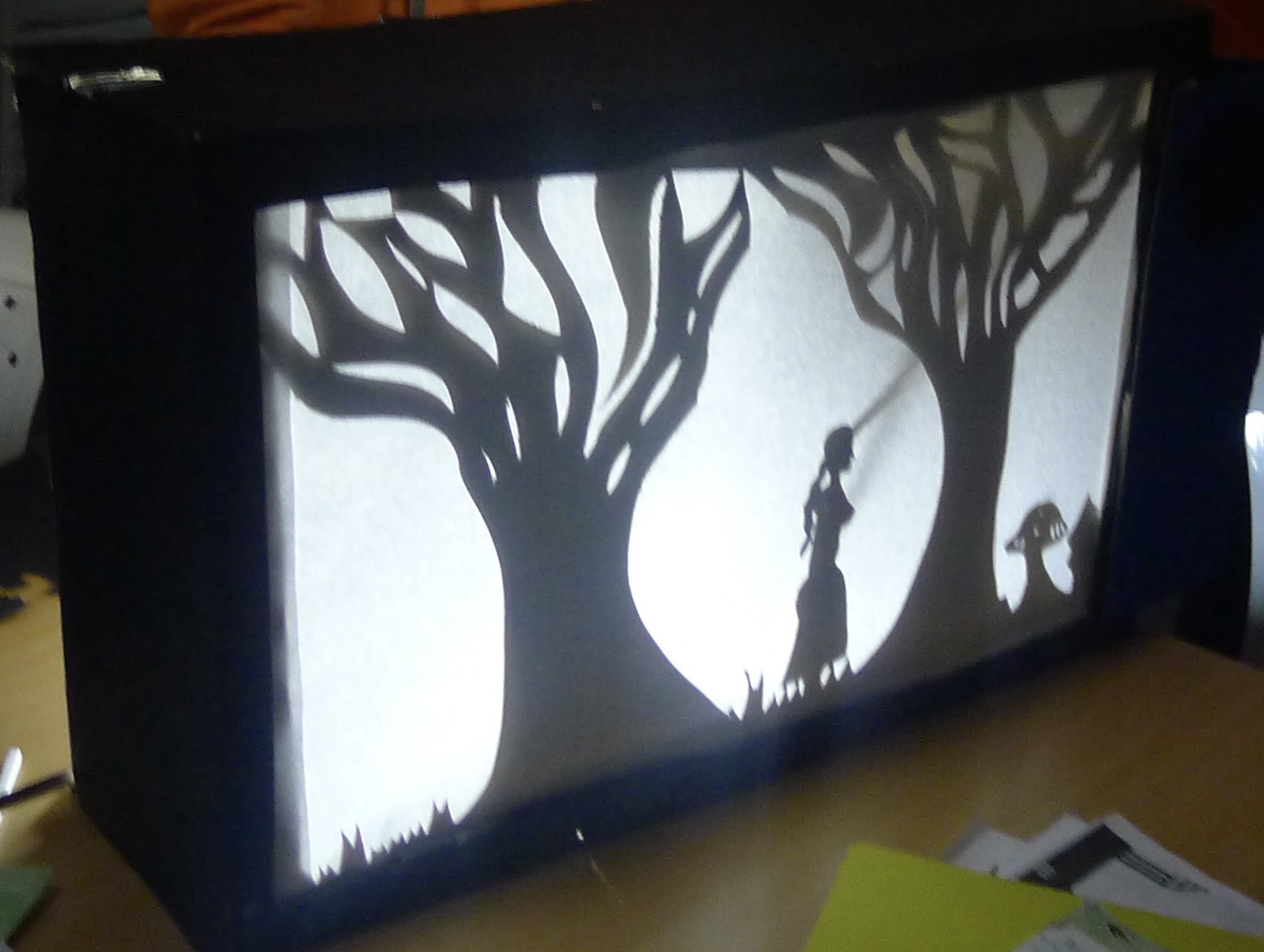
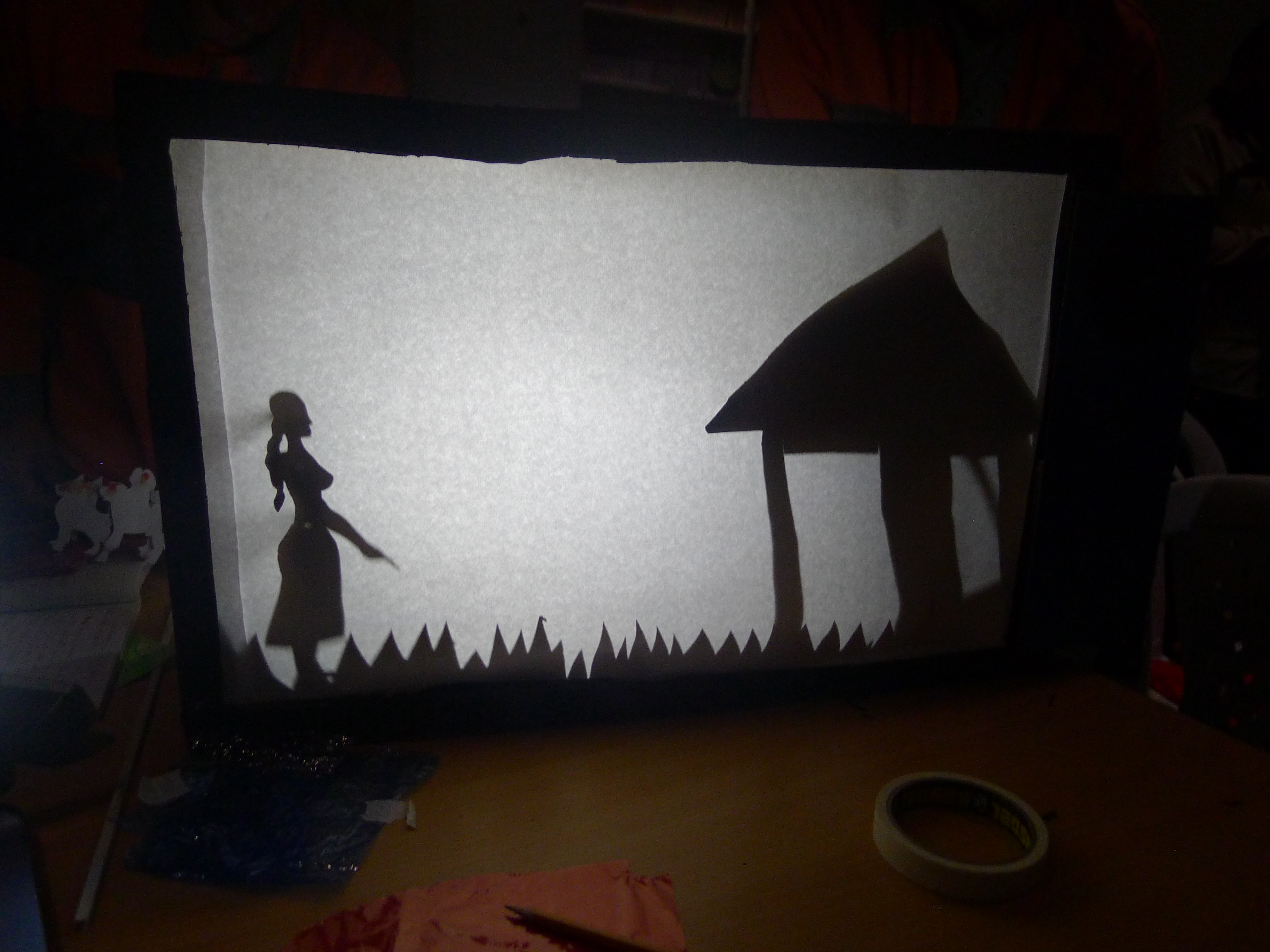
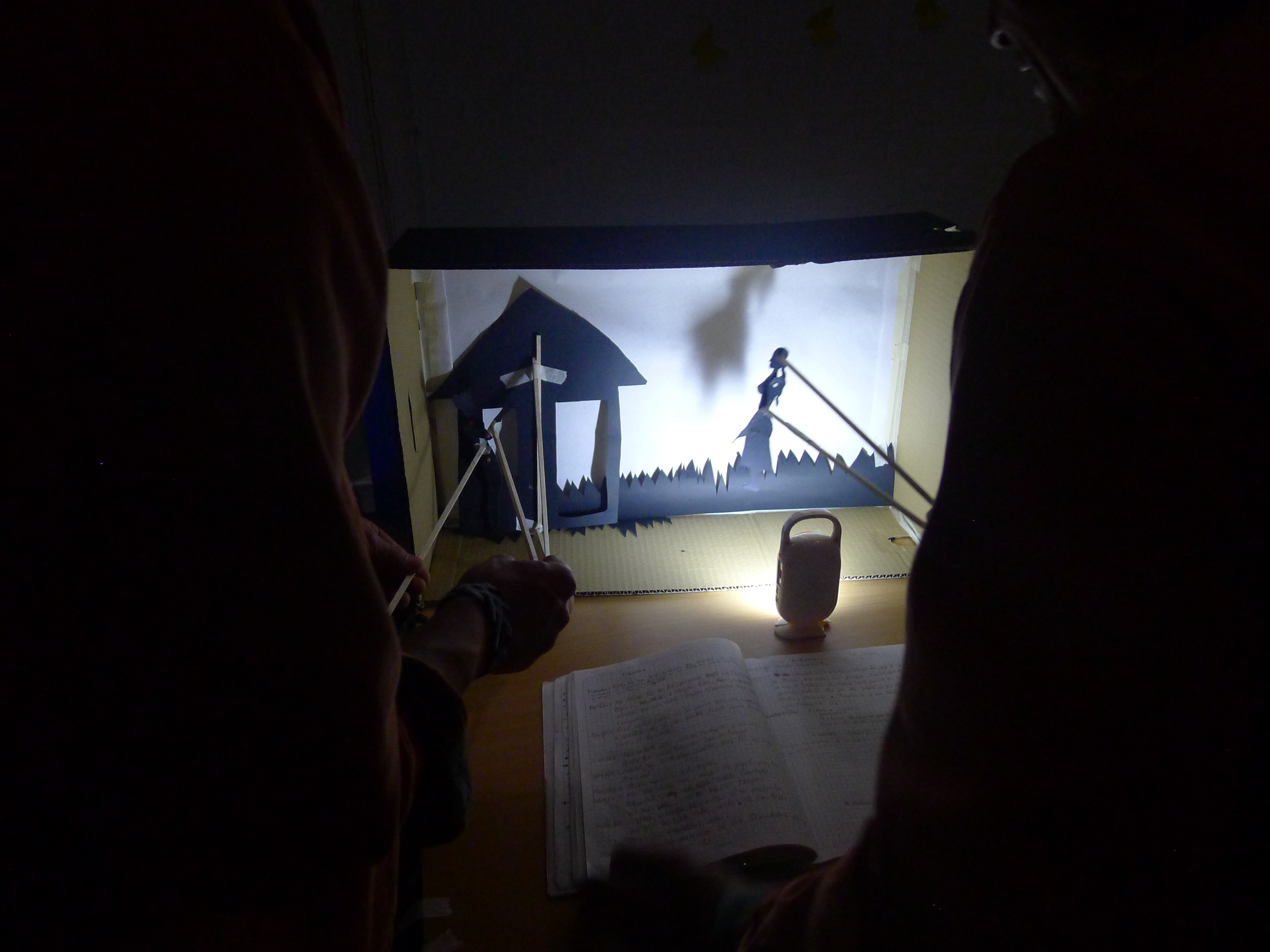
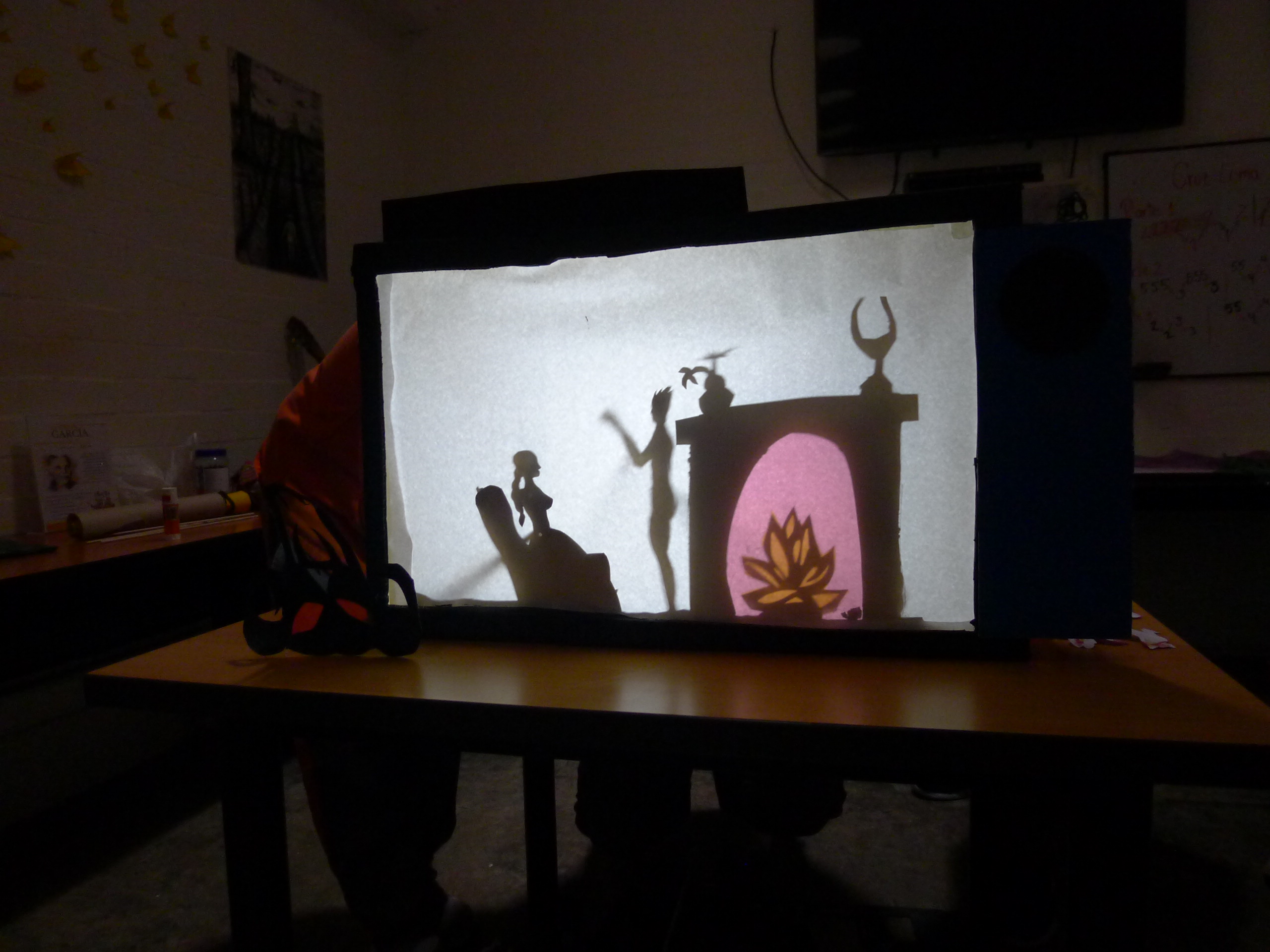
The Legend of La Llorona (The Crying Woman)
Critical reflection on a visit to the District Jail
Written by Paula Sanchez, Art student at Universidad de Los Andes
The prison visit on April 30 made a significant difference in how we experienced the entry process. Feeling calmer and flowing better with security protocols was an indication that we had adapted to the circumstances. However, this adaptation also brings with it a critical reflection on the normalization of confinement and prison procedures.
The fact that our initial discomfort faded as we became accustomed to the entry process underscores how people can adapt even to oppressive and violent situations. This normalization is dangerous because it implies that we stop questioning what is wrong with those environments and those procedures. By accepting confinement and security checks as routine, we lose the ability to recognize and critique the dehumanization and violence inherent in the prison system.
The shadow theater project continued to be a vital space for creativity and connection. Through art, both ourselves and the inmates found a form of expression that transcends prison walls. However, it is crucial to maintain a critical awareness of the environment in which we work and not let familiarity make us insensitive to the injustices we are witnessing.
Reflection on why we become more comfortable going inside highlights the importance of keeping our empathy and outrage alive in the face of power structures that perpetuate oppression. Our task is not only to bring art and creativity to inmates, but also to question and challenge the systems that keep them there.
This day reminded me that while it is natural to adapt to new experiences, we must be mindful not to allow that adaptation to make us complacent. Art can be a powerful tool for resistance and change, but only if we continue to question and challenge the conditions that attempt to normalize oppression and confinement.
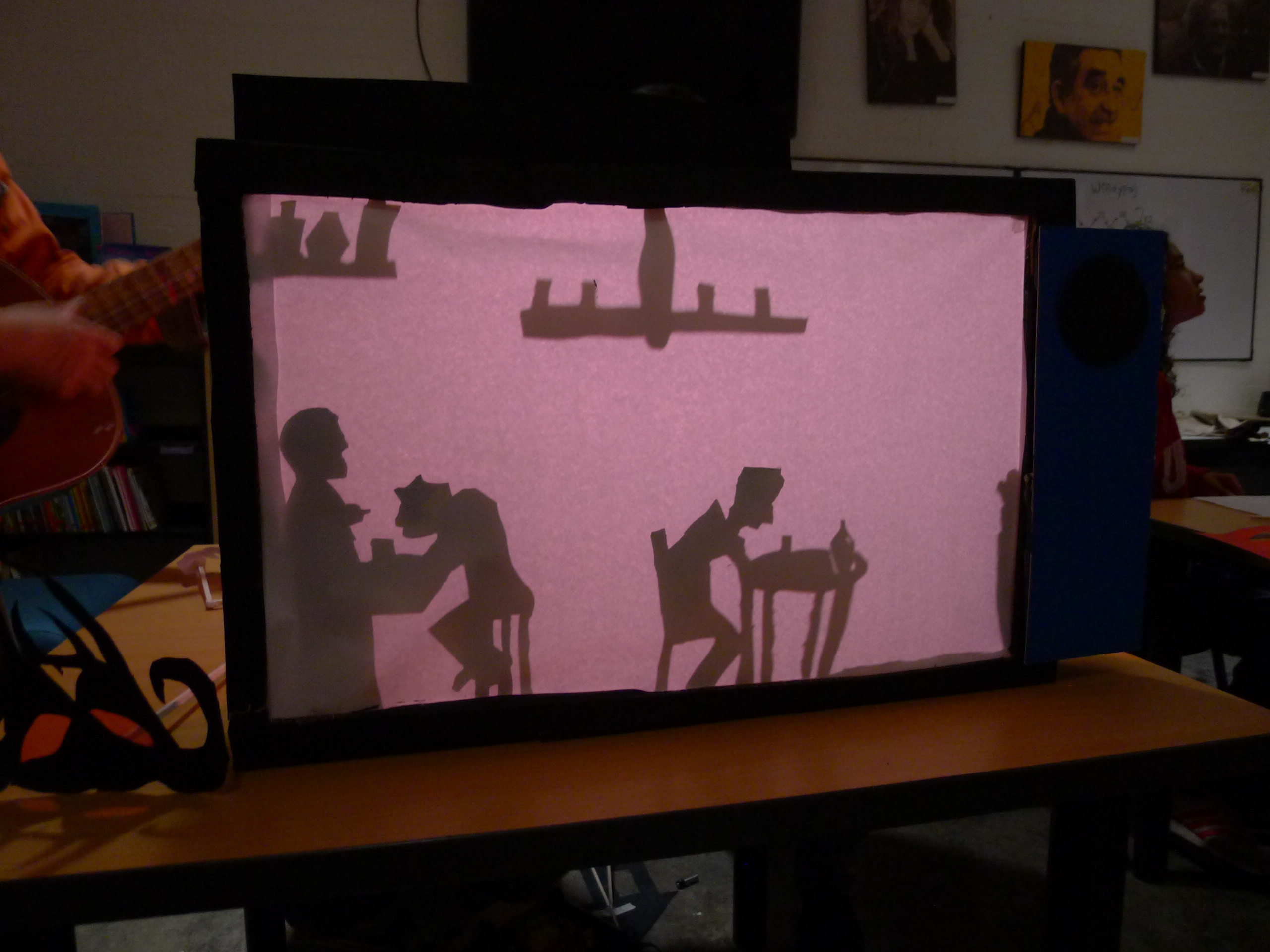
Shadow puppet show about the legend of The Horseman

 Sarah Ashford Hart