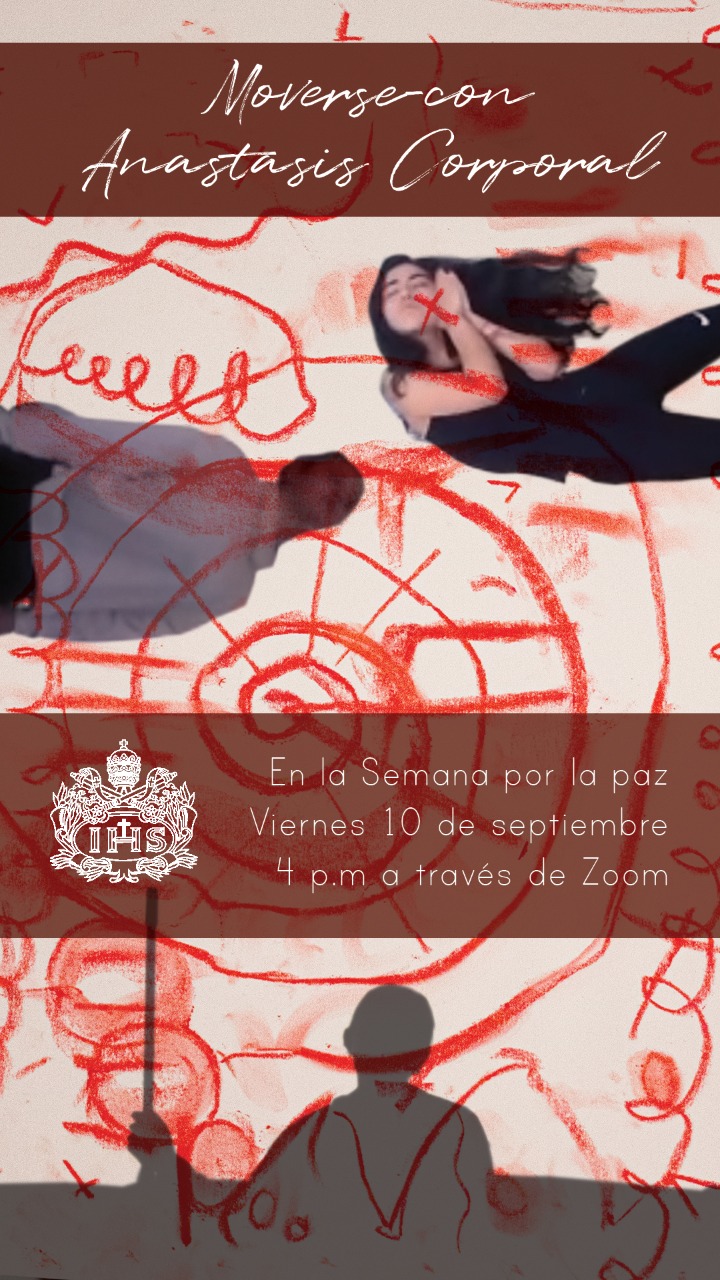
Moving-with Embodied Anastasis

Moving-with Embodied Anastasis (2021) was a practice-as-research investigation I led, exploring how actively listening to recorded testimonial performances by female victims/survivors of Colombia’s armed conflict can offer a pathway to implicated witnessing. This project took place during Colombia’s peace and reparations process, where over-saturation with representations of violence has caused society to become apathetic to the suffering of ‘others’.
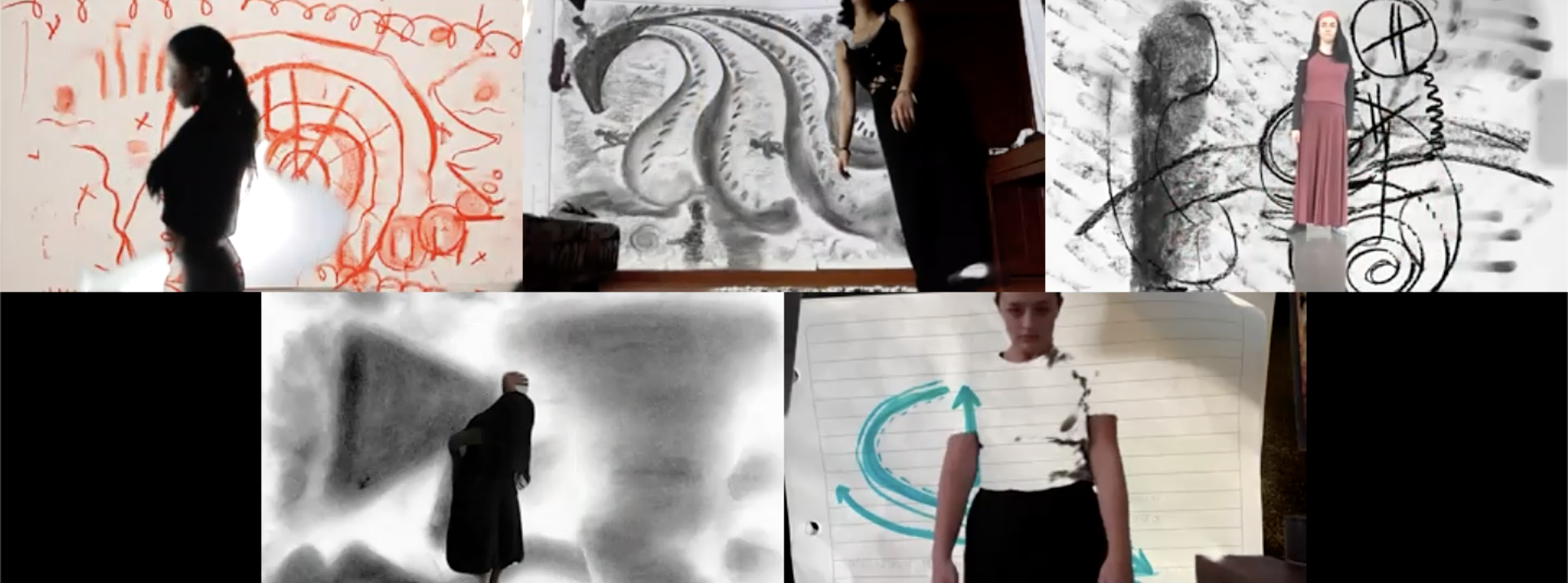
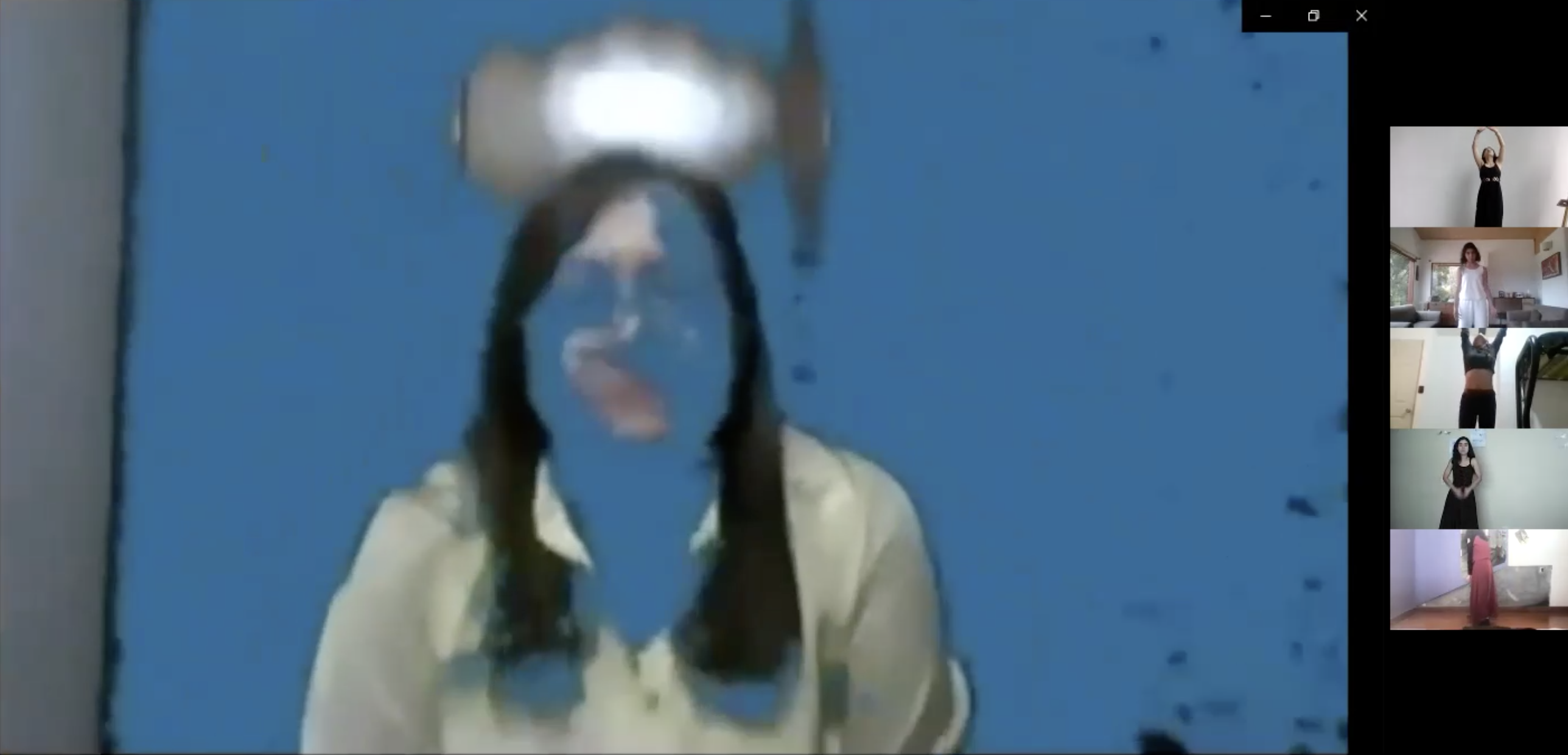
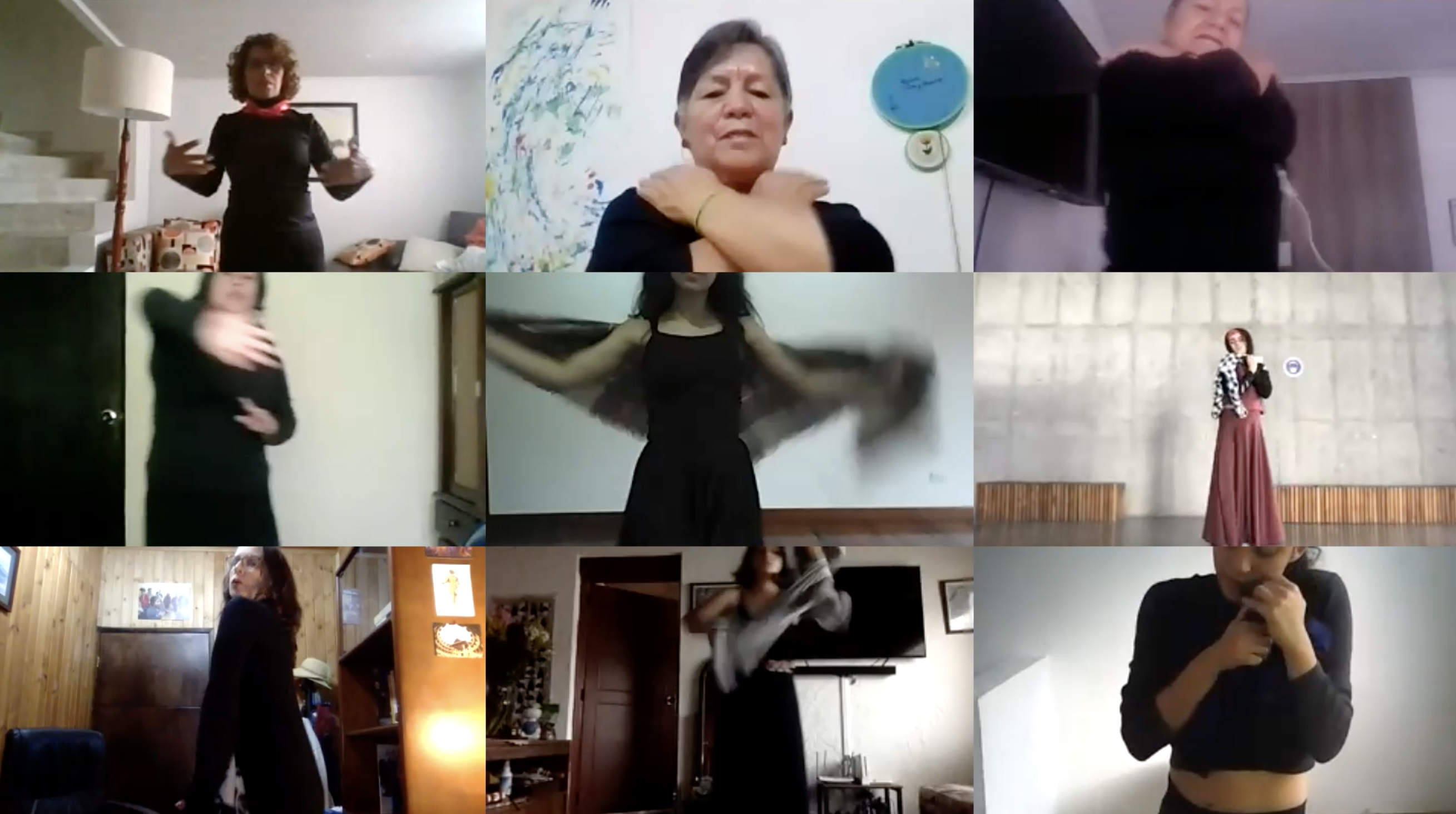
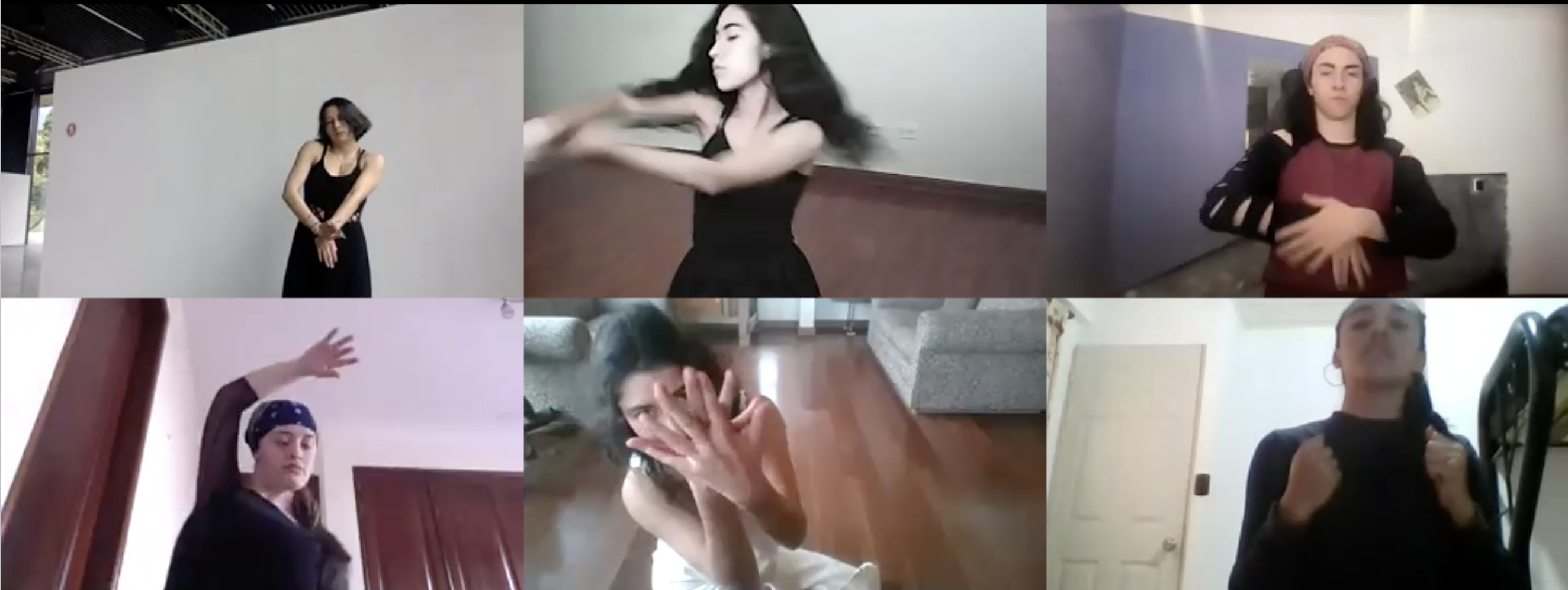
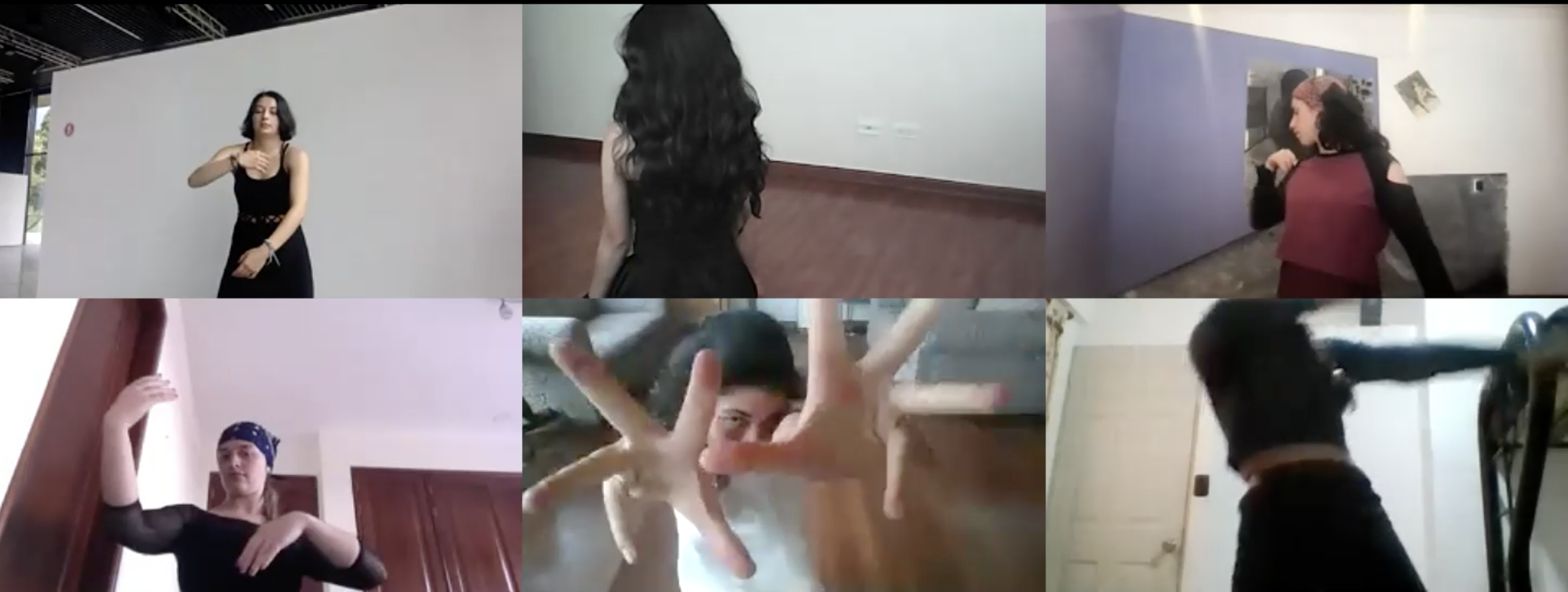
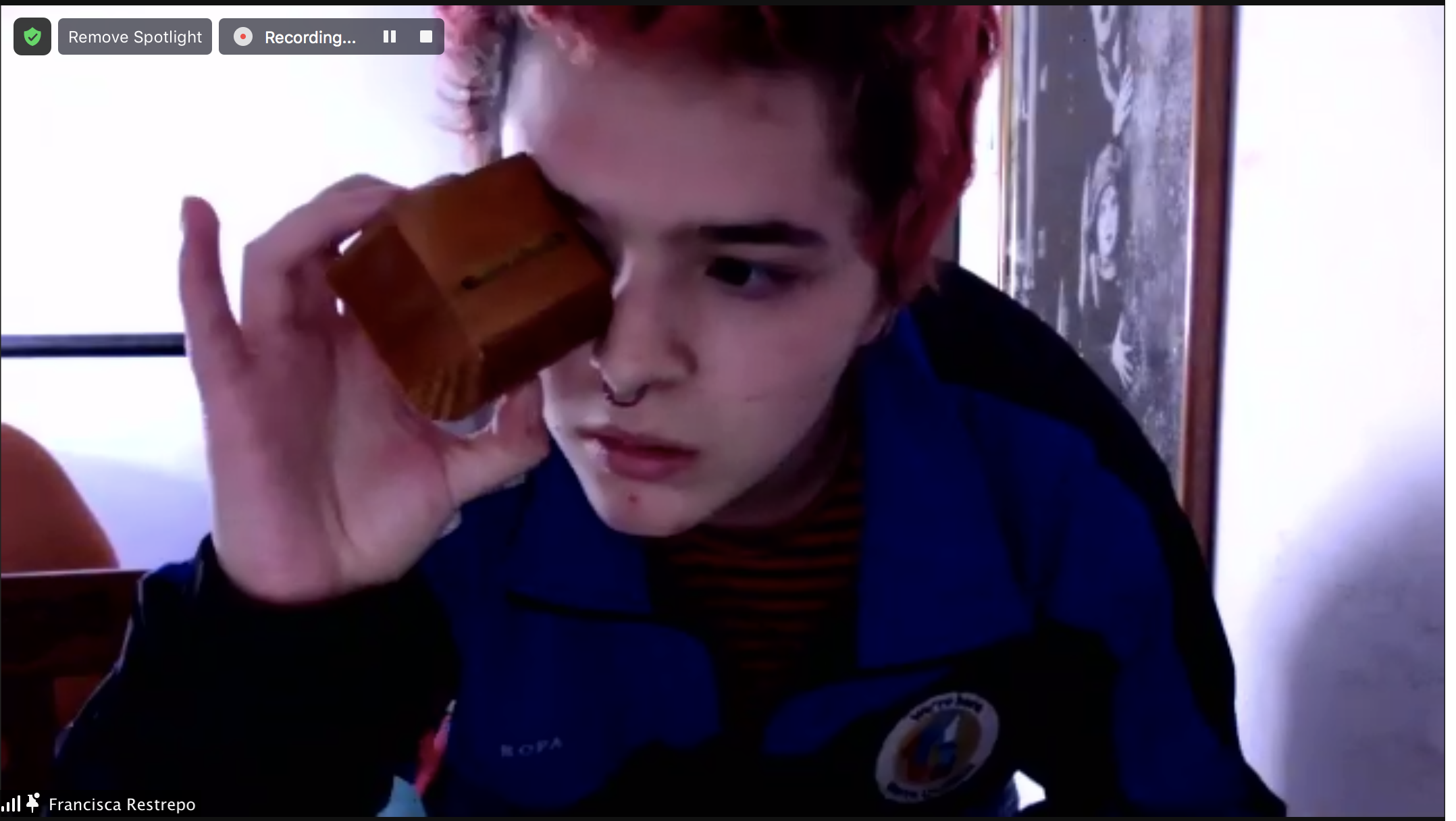
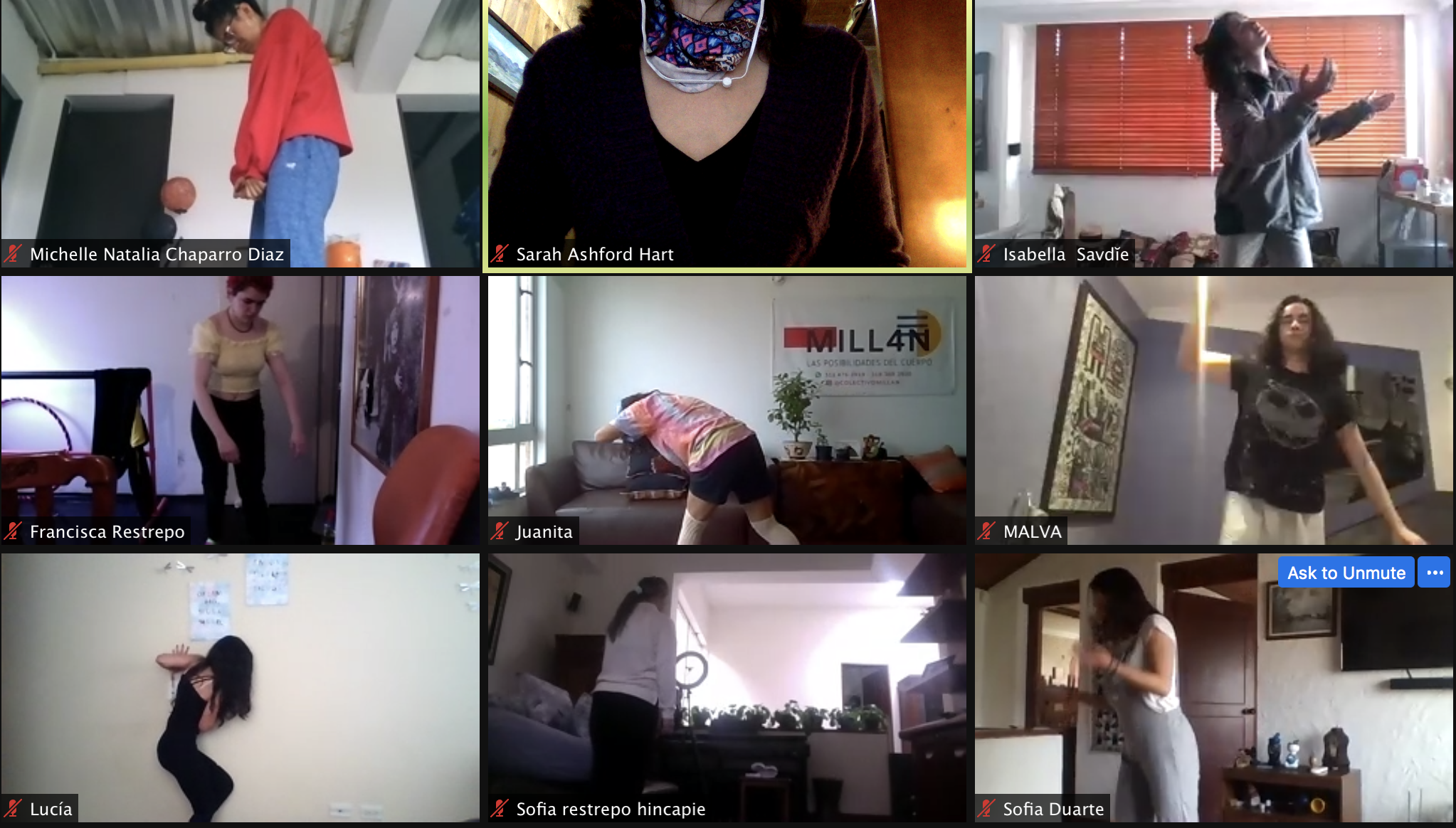
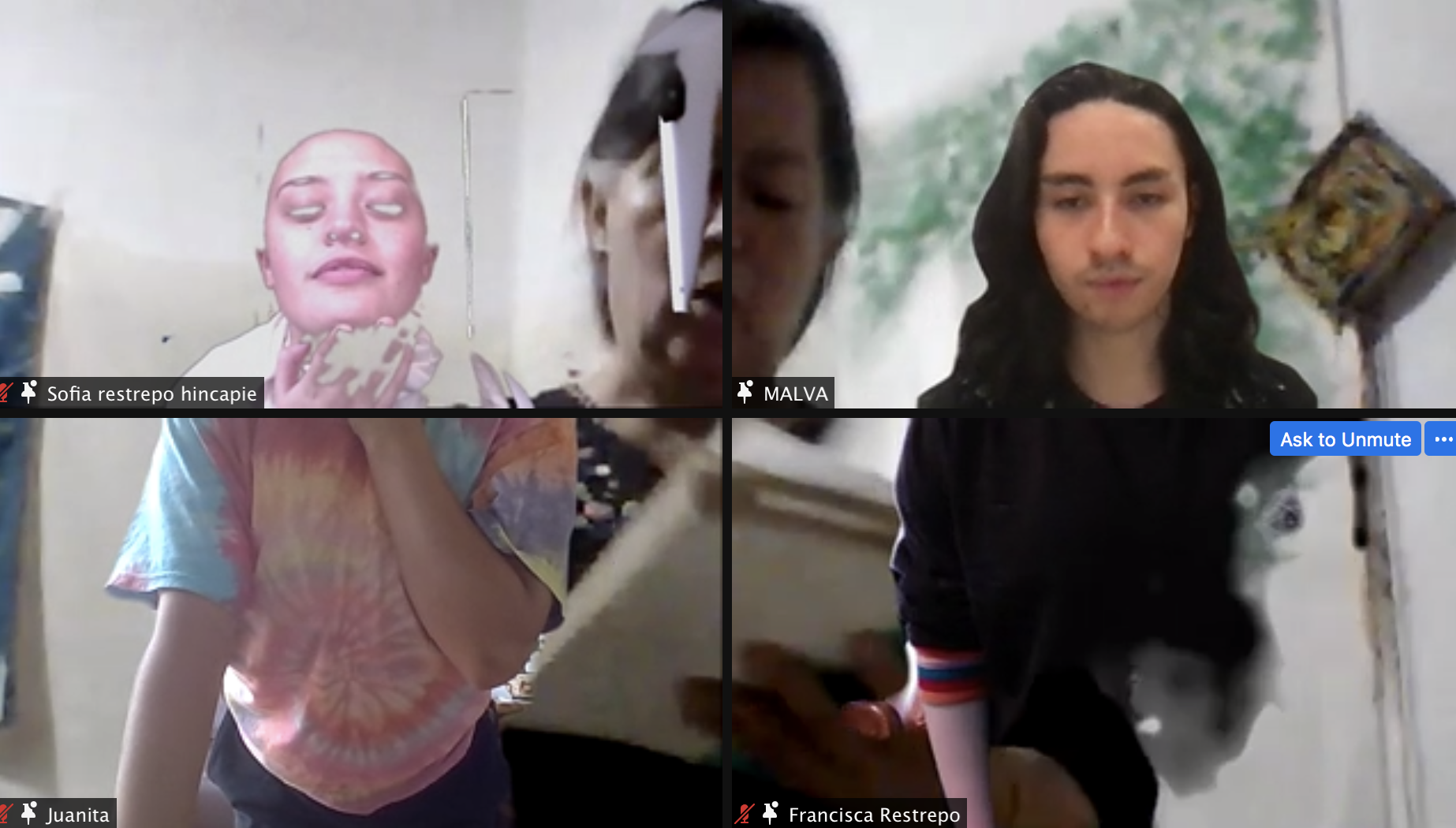
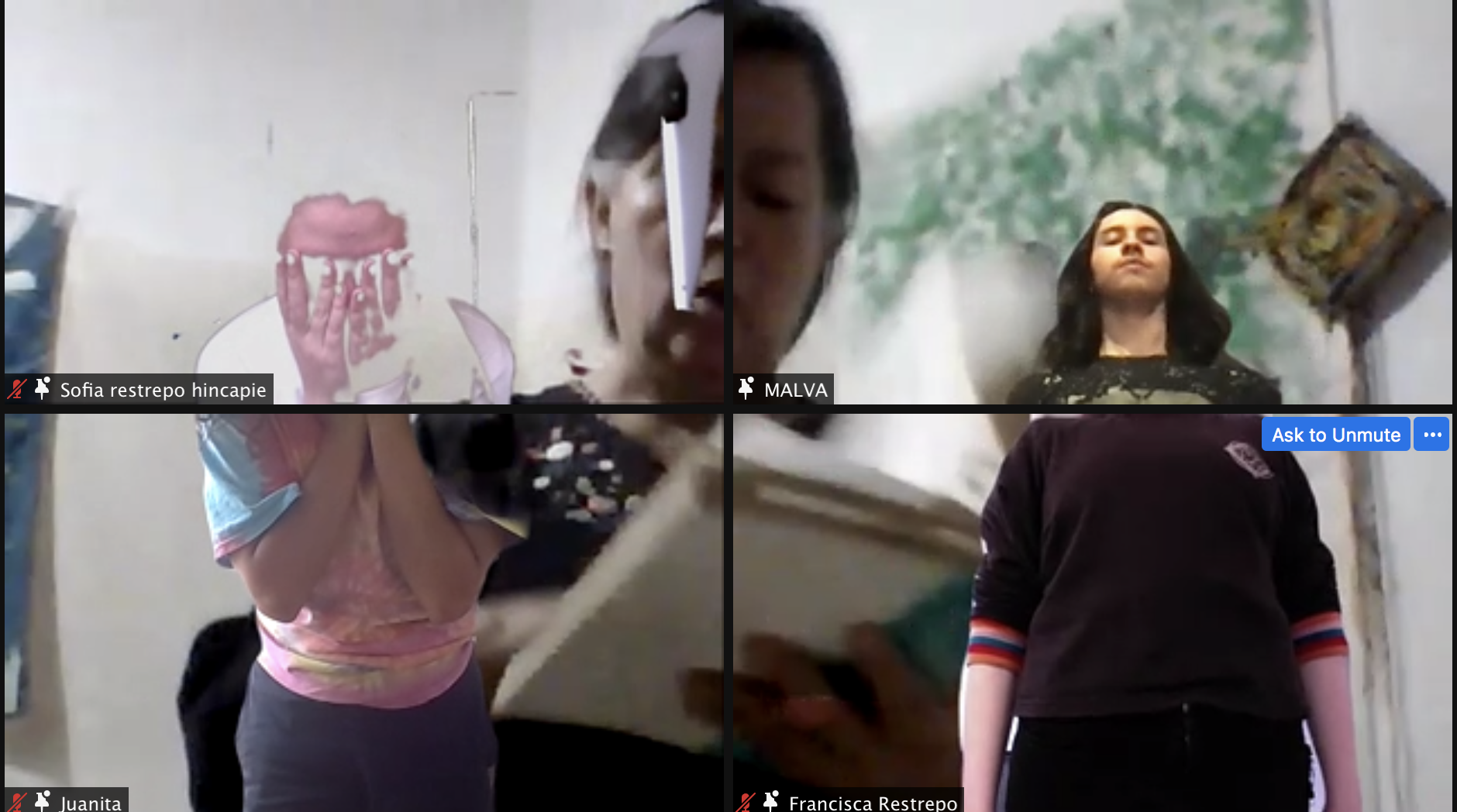
Embodied Anastasis [Anastasis Corporal] was a collective creation I co-facilitated in 2020 with participants/co-researchers from the Bogotá-based female victims’ group Anastasis. Moving-with Embodied Anastasis sprang from the need to find active ways for audiences to engage with Anastasis’ performance, in the context of an ever-more virtual and unequal reality. Our initial research questions were: how do their voices move us, how do their words affect us, and how do their experiences implicate us? With students from the Universidad Javeriana in Bogotá, I created improvised movement scores in response to these questions and invited Zoom audiences to join us in listening from the body (individual and collective, virtual and physical). We found that moving together while listening facilitated a feeling of copresence, even when we were not physically in the same place, and this made us feel viscerally response-able to the histories of violence that were narrated (a sense of responsibility and ability to respond).
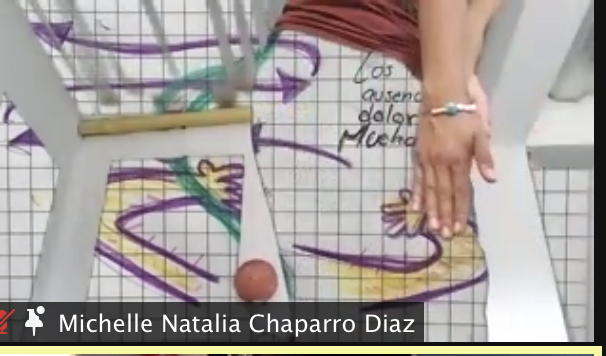
The guided journey we crafted for audiences of our interactive Zoom performance aimed to sensitize the students’ friends, families and university colleagues to their capacity to be affected collectively by Anastasis’ embodied testimonies of violence and healing; it went from watching and listening to writing and drawing and finally moving and speaking. It was not about putting ourselves (relatively privileged audiences with no direct experience of the armed conflict) in Anastasis’ shoes, but sensitizing ourselves to how their experience related to us, to our experiences, and to our own embodied memories.
Implicated Witnessing thus requires the hard work of actively listening, not only to victims’ testimonies, but to our own somatic responses, as part of the process of healing relations damaged by the excessive production of death and the unequal distribution of privilege and suffering.











More documentation:
Sarah Ashford Hart (2023) “Moving-with Anastasis Corporal: a path to implicated witnessing.” Research in Drama Education: The Journal of Applied Theatre and Performance, Vol 28, pages 66-82. London: Routledge. https://doi.org/10.1080/13569783.2023.2178888
 Sarah Ashford Hart