
Embodied Anastasis
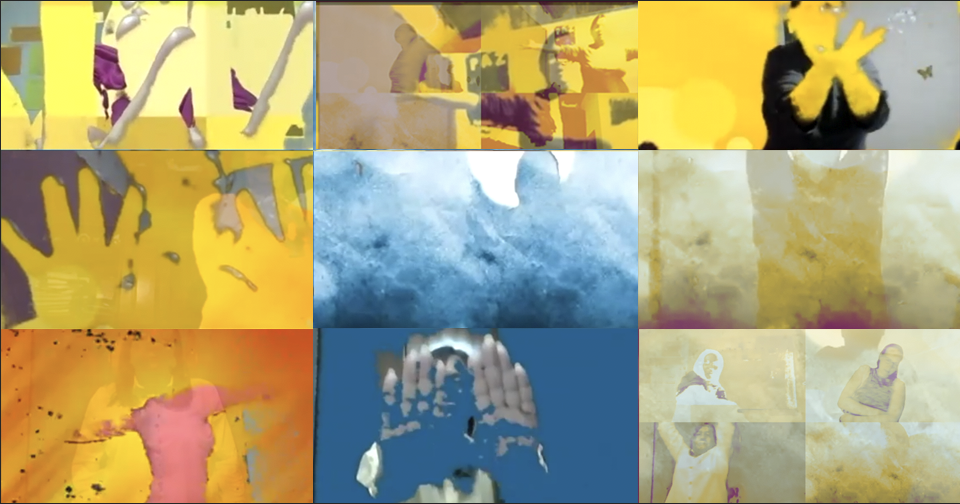
Embodied Anastasis was a practice-as-research project I co-facilitated in 2020 with participants/co-researchers from the Bogotá-based female victims/artivists’ group, Anastasis. Due to the pandemic, our entire creative process took place online. We learned to work with Zoom to engage the body in collective memory construction. Allowing their bodies to speak, as Anastasis put it, offered a new way to tell stories of violence to which society had become numb in the context of Colombia’s armed conflict. Anastasis met thought FASOL Corporation because their loved ones were human rights defenders who had been been assassinated or forcibly disappeared. They said they wanted to reveal how violence continues to happen in society and stop being so passive about it.
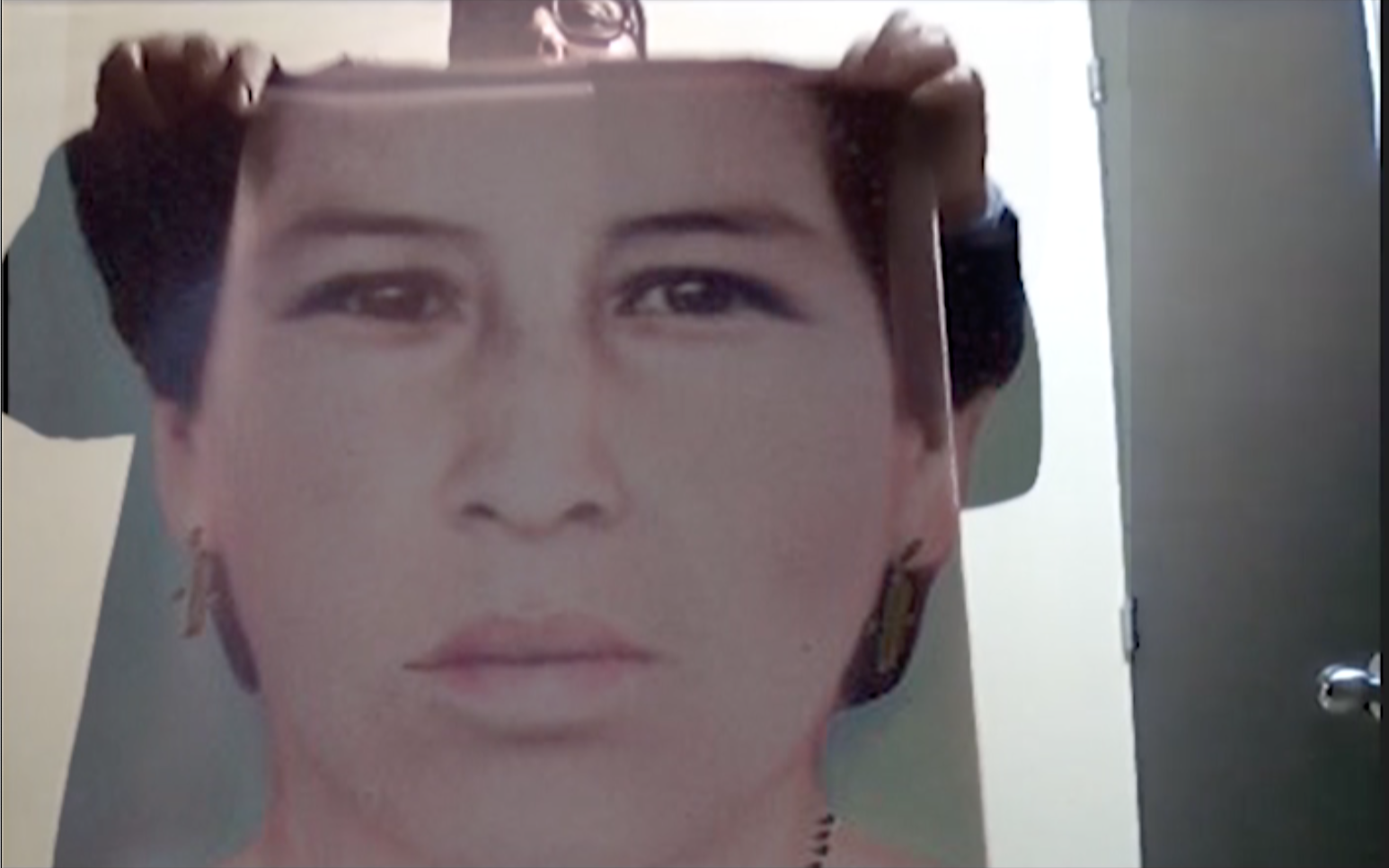
The protagonists of Embodied Anastasis are: Rosa Milena Cárdenas (whose mother was disappeared in 1985, during the occupation of the Palace of Justice by the guerrilla group M-19 and then the military), Rosa Lilia Yaya (whose father was assassinated in 1989, during the genocide against the Patriotic Union party), Luz Nelly Carvajal (whose husband was assassinated in 1989, during the Rochela Massacre, perpetrated by paramilitaries), and Yolanda Myriam Arteaga (whose husband was assassinated as part of the state-sanctioned violence against the judicial branch of government). Anastasis first connected with Colombian facilitator Gaviota Conde, because of her process-based method of ‘reparations from the body’. Conde invited me to co-facilitate, as an applied theatre practitioner. We began by asking Anastasis what they wanted to transform and what they wanted to express. They said, they wanted to feel a physical release, to express their emotions, and acknowledge their experiences. It was important for them to not only denounce ‘victimizing events’ but also demonstrate love as a survival strategy.
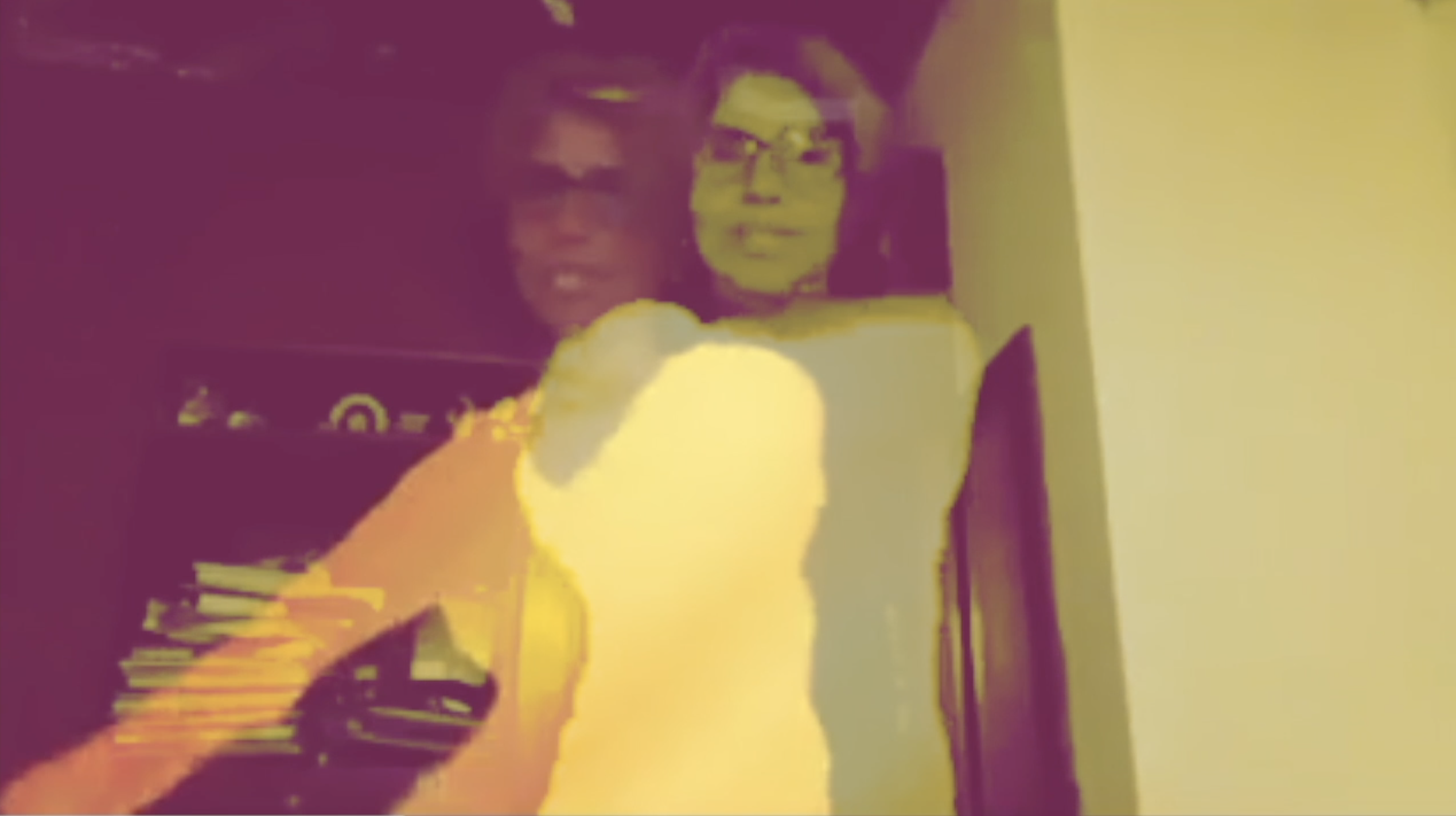
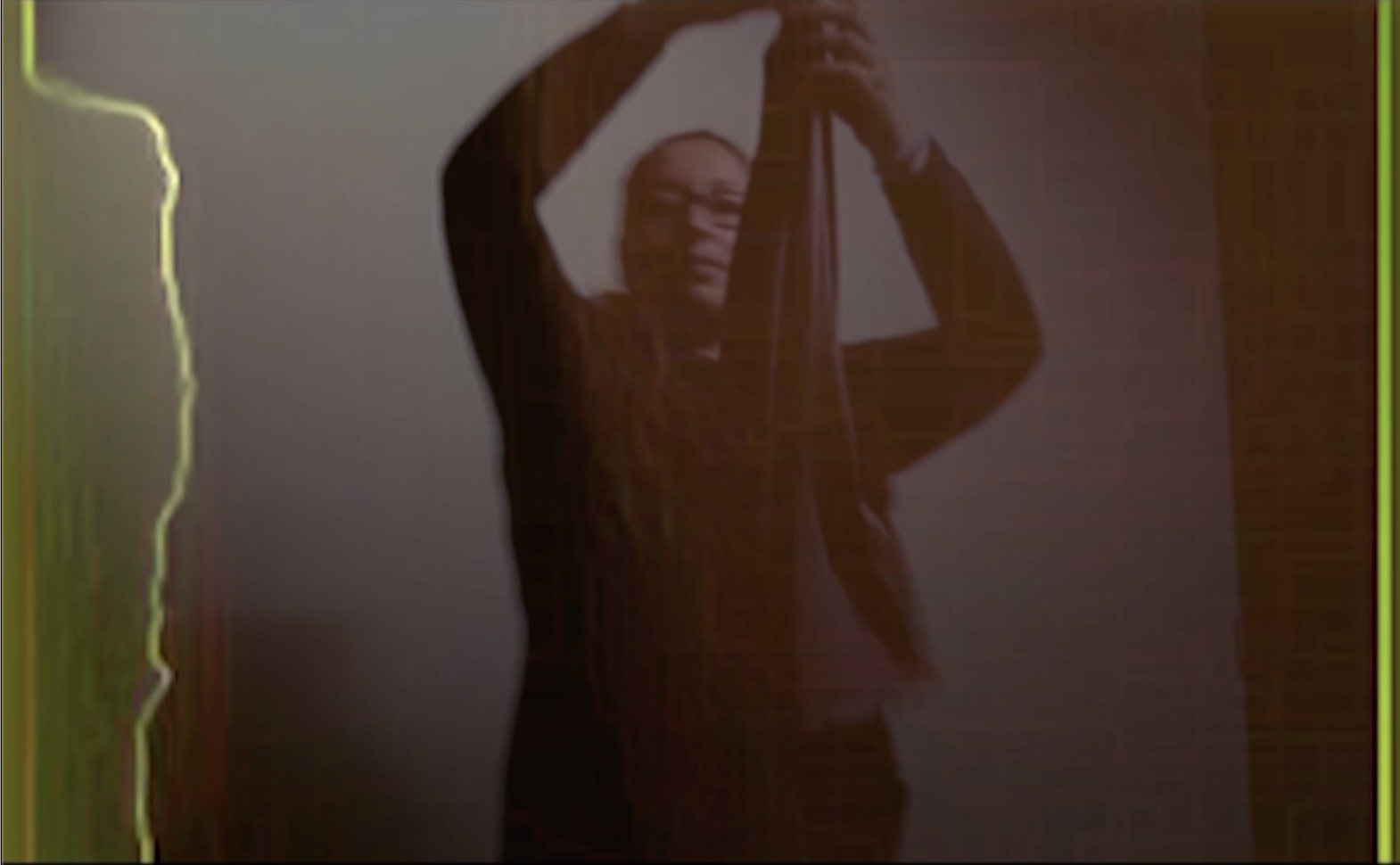
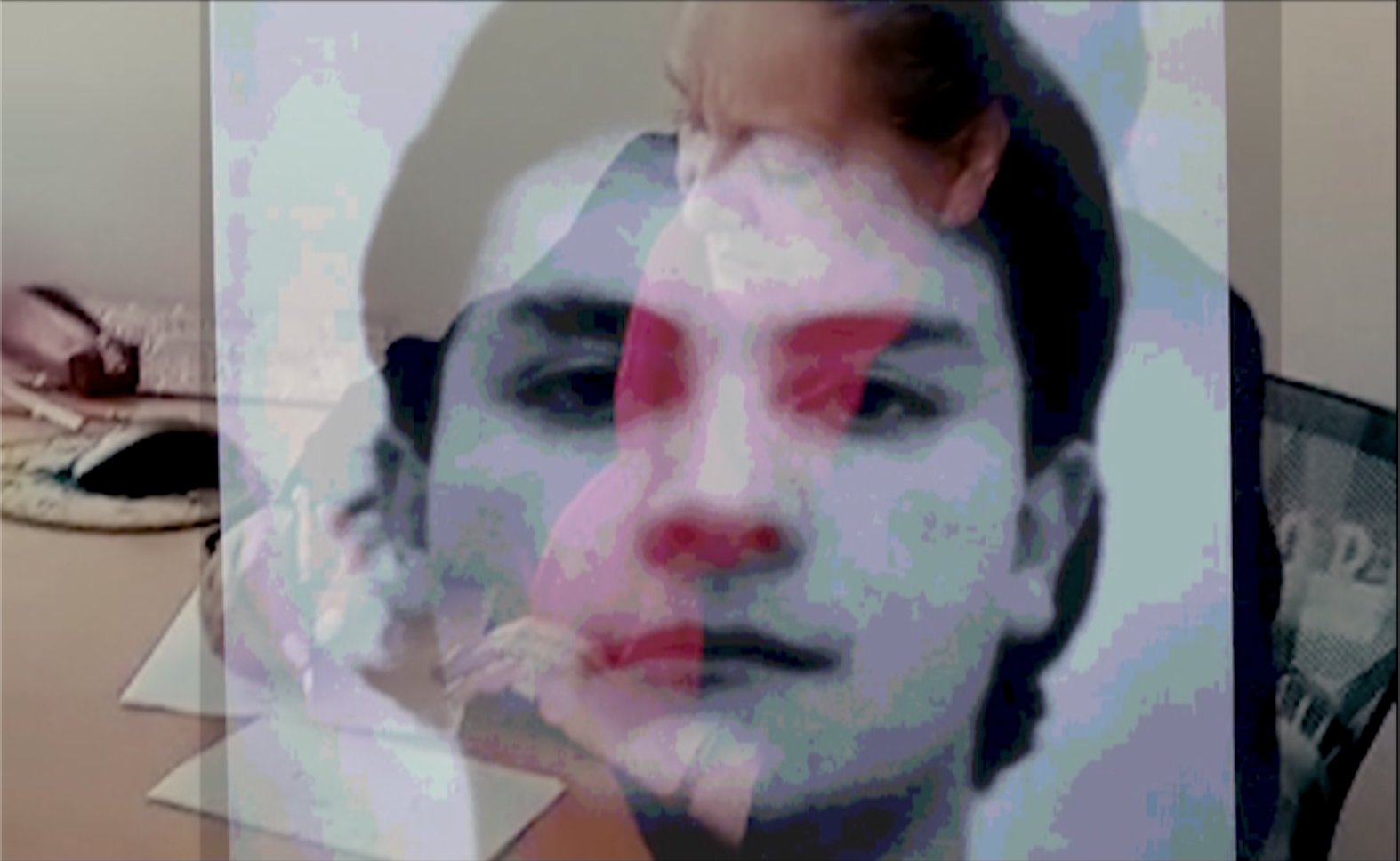
In our Zoom theatre workshops, Anastasis were able to release tensions left in their bodies after the assassination and disappearance of their loved ones (attending to pain in the head or lower abdomen through breath or movement techniques, for instance). They wanted to publicly share the embodied transformations experienced in our workshop, as a way of inspiring others. We found that the video/performance format offered a way to share our process with others online, interweaving Anastasis’ testimonies in an edited collage. Our video/performance was presented publicly on Zoom through the Centro Nacional de Memoria Histórica (Bogotá) and the Hemispheric Institute on the Americas (Davis). This project was funded by a Mondavi Research Grant from UC Davis as part of my PhD dissertation research. I have written about this work in an article for volume 28(1) of RiDE: The Journal of Applied Theatre and Performance.





More documentation: Embodied Anastasis Poster
 Sarah Ashford Hart